

©$year Pivotal Ventures
What Action for Women’s Health Looks Like
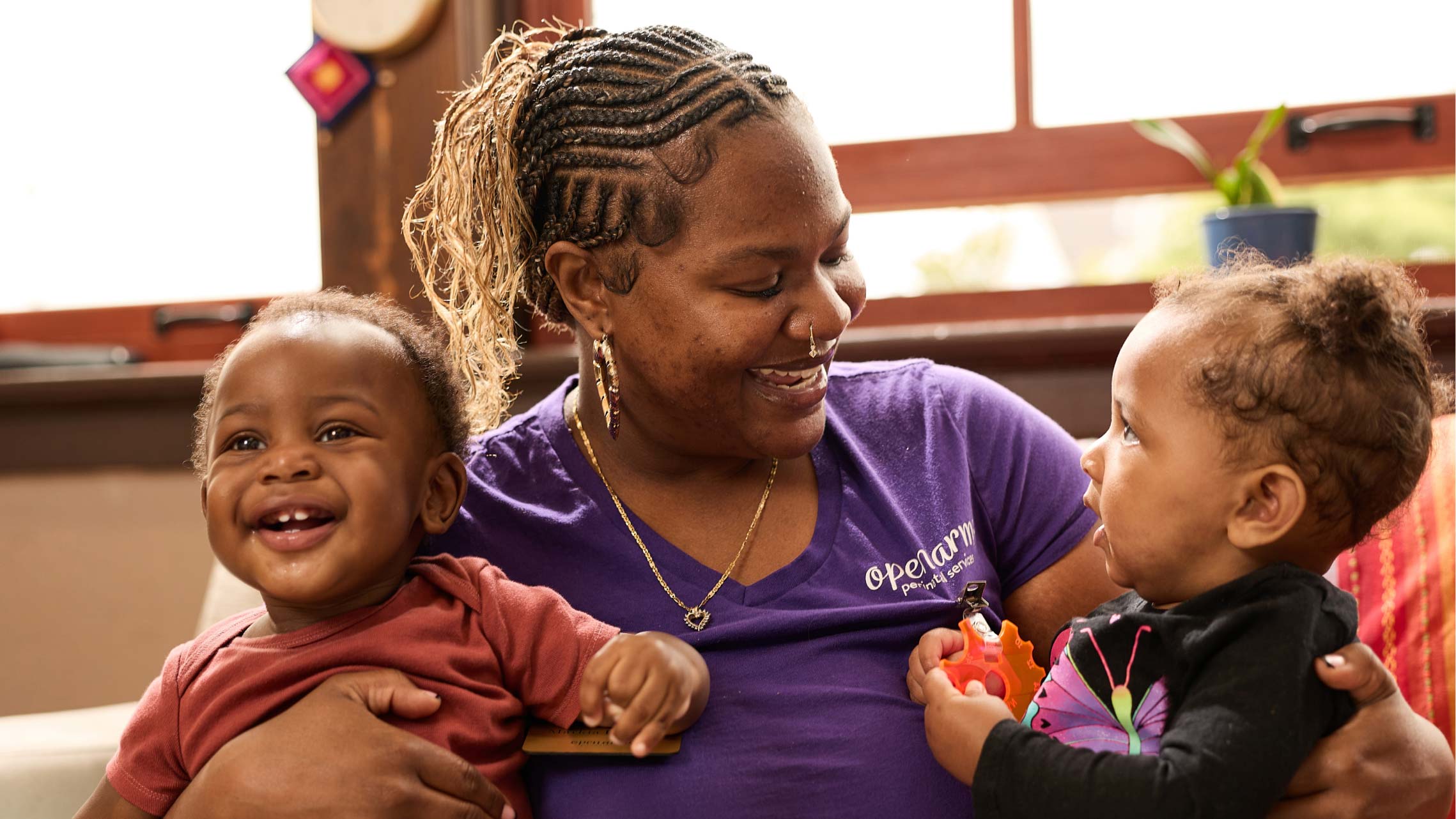
Courtesy of Open Arms Perinatal Services
In the 25 years I’ve worked on women’s health, I’ve been struck by a grim reality that connects women across contexts and continents: No matter where you are in the world, if you live in a woman’s body, you are likely to face a unique set of barriers to receiving the care you need to live a full and healthy life.
These barriers take different forms in different places. For a pregnant woman I met in Malawi, it was about proximity, the fact she lived hours away from the nearest fully equipped delivery room. For the activist I met earlier this year in Louisiana, it was about policy, the fact that restrictive laws in her state led not one but two emergency rooms to turn her away as she suffered through a devastating miscarriage.
What would it take to bring these barriers down? It can be a daunting question. The good news is that, all over the world, there are organizations working every day to answer it. Through their efforts, they are proving that solutions exist and that a better future for women’s health is possible. But too often, they are operating under the radar of major funders without access to the resources they need to scale their critically important work.
There’s no question that we need a better way of finding and funding these organizations. That’s why, last year, my team at Pivotal partnered with Lever for Change to create Action for Women’s Health, a $250 million global open call that invited organizations working to improve women’s mental and physical health around the world to apply for game-changing grants that would allow them to expand their efforts.
Out of an extraordinary pool of thousands of applicants, we identified more than 80 awardees based in 22 countries working across six continents. Together, they’re supporting women through pregnancy and childbirth, expanding access to basic health services, filling critical gaps in mental health care, fighting for reproductive rights, and educating local communities about ways to prevent and treat illness.
Importantly, they each use tailored approaches to meet women and girls where they are—while providing a model that others can scale.
